
Choosing the right licensed childcare facility requires a great deal of thought and consideration. After all, this is the place that will be looking after the most important thing in your life: your child(ren). While logistics such as the location or hours are important, the pertinent questions that parents should be asking have to do with being a good fit for your child’s needs, starting with the size of the class. How much attention will each child get from their teachers? Is the classroom a calming place, or energetic and busy?
The answers to these questions may be good or less than ideal, depending on individual needs, abilities, and age. For parents who may have seen ratios given for specific childcare centers, but aren’t sure what that means, read on for a detailed breakdown. At Providence Children’s Academy, we believe that smaller class sizes are to every child’s benefit.
What Does Florida Require For Licensed Childcare Class Sizes?
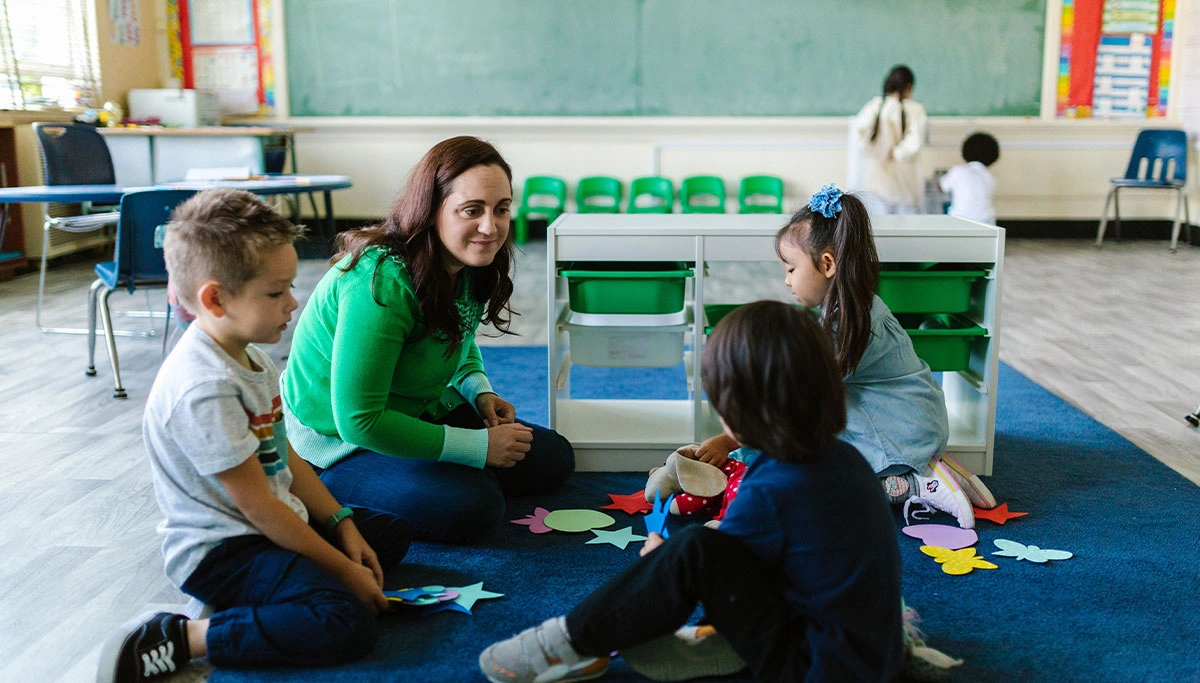
For the sake of safety, Florida law has required minimums for adults-per-child ratios in licensed childcare settings:
- Infants (birth to 1 year old): 1 licensed staff member for every 4 infants
- 1-year-olds (12 to 23 months): 1 licensed staff member for every 6 children
- 2-year-olds: 1 licensed staff member for every 11 children
- 3-year-olds: 1 licensed staff member for every 15 children
- 4-year-olds: 1 licensed staff member for every 20 children
- 5 Years and up: 1 licensed staff member for every 25 children
However, just because these are the minimum requirements by law does not mean that this is the ideal scenario for your child.
At Providence Children’s Academy, we maintain lower staff-to-child ratios than Florida requires, allowing our teachers to provide more individualized attention and support throughout the day.
Our staff-to-child ratios are:
- Infant class: 1 staff to 3 students
- 1-year olds: 1 staff to 5 students
- 2-year olds: 1 staff to 6 students
- 3-year olds: 1 staff to 9 students
- 4-year olds: 1 staff to 10 students
- 5- year olds: 1 staff to 12 students
These smaller ratios are especially beneficial for infants, toddlers, and preschoolers who are still developing basic motor skills, communication, social skills, and emotional regulation. With fewer children to supervise, our teachers have more opportunities to interact with each child, recognize individual needs, and provide support throughout daily activities, learning, play, meals, and transit
For parents comparing licensed childcare options in Coconut Creek, staff-to-child ratios are an important factor to consider. Smaller groups can provide children with more opportunities for one-on-one interaction while helping teachers create a more manageable classroom environment.
Benefits Of Small Class Sizes
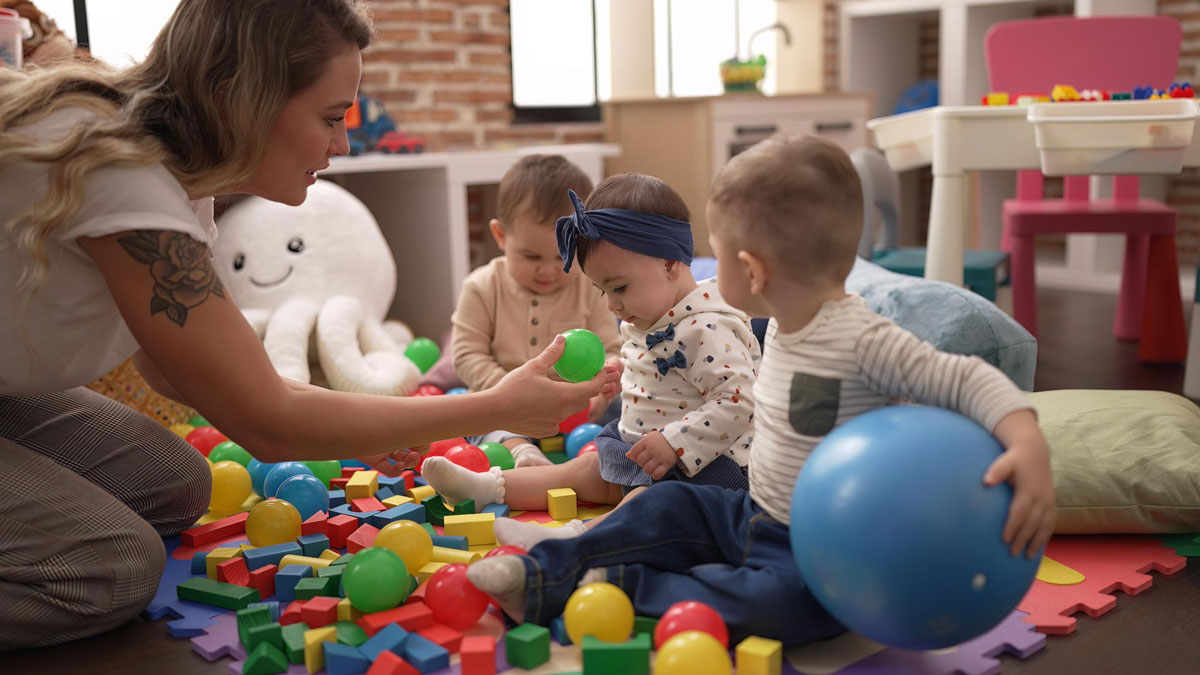
A closer look at the benefits of smaller licensed childcare classes includes the following:
More Attention
Smaller class sizes mean that licensed childcare providers can devote more time and energy to each child, and thus be more attentive to their needs. This allows for potential behavioral or learning issues to be detected and addressed sooner. Children feel more seen and understood when the adults in their lives are more attentive to them.
Improved Safety
Safety is probably one of the top concerns that parents have when it comes to childcare, and with good reason. From “stranger danger” to kids’ propensity to fall while playing, a good licensed childcare center will have active roles in keeping children protected at all times. When class sizes are smaller, it’s easier for providers to monitor what children are doing as they play, rest, eat, and learn. Should an incident occur, a smaller class size allows teachers to respond more promptly to give children the care they need.
A Focus On Language
A smaller class size allows for adults to spend more time communicating with each child. Children build their language skills more easily through conversations with an adult they can get to know on a deeper level. As conversational skills develop, any complications regarding language can be addressed and corrected sooner.
Stronger Teacher-Child Relationships
A smaller teacher-to-child ratio enables stronger bonds between both the teacher and child, as well as between children. Teachers are better able to remember student names, personalities, routines, and family life with more efficiency. It’s also important for teachers to get to know the things that may frustrate their students, and what form of comfort or discipline they respond to best.
Kids who feel bonded to their teachers are more inclined to have fun participating in activities and openly communicate their needs.
Social development is a huge component of a successful childcare center. When kids are around their peers, they learn important skills that will serve them well in group projects, team sports, and eventually with co-workers at work. Smaller class sizes make it easier for kids to learn skills like sharing, taking turns, waiting, and problem-solving when small conflicts arise.
Smaller class sizes are also less stimulating for children, which can ease shyness or anxiety. Less crowding, noise, and competition for an adult’s attention creates a healthier environment for everyone.
Why Class Size Matters In Early Childhood
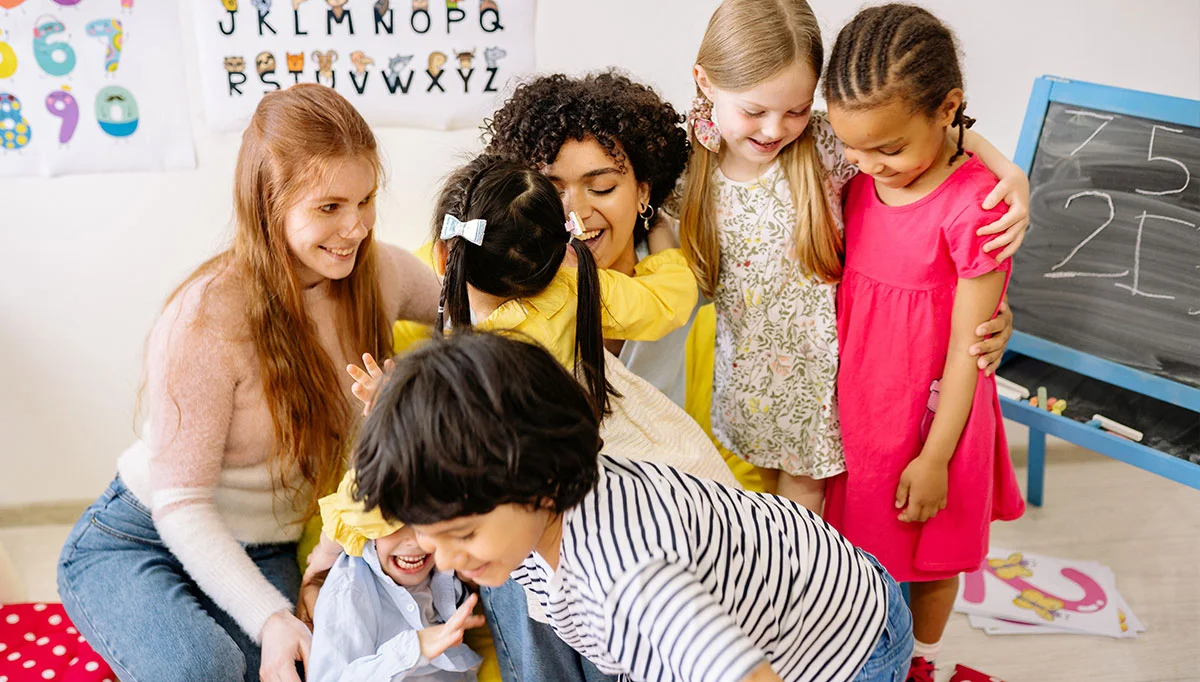
The early part of childhood is significant for rapid growth, more so than any other point of development. This is when children start building the foundation for language, awareness, self-control, and emotional regulation, and the beginning of education.
Smaller class sizes make it easier to maintain a steady pace throughout the day between lessons, meals, naps, story time, bathroom routines, and more. Fewer children to guide from one activity to the next ensures that less time is spent on these transitions so kids can do what they do best: play!
Licensed Childcare In Coconut Creek

One of the most important decisions parents make is who to trust their children with while they’re at work. Being licensed is just the beginning; parents need assurance that the provider is actively engaging, equipped to support their needs, safe, and overall a positive experience. That’s why parents choose Providence Children’s Academy: one of the best early learning centers in Coconut Creek, from infant care to preschool.
Don’t just take our word for it: come take a tour, meet our staff, and see for yourself! Call 954-570-6914 today to learn more.