

Valentine’s Day is a great opportunity to help your preschooler develop the art of kindness. Practicing kind actions and speaking kindly takes the focus off oneself and builds an awareness of others. While teaching methods evolve and adapt, learning through play is still the best way for children to experience and internalize new concepts. These simple activities can develop an important character trait in your child, kindness, and the world needs more kind people.
Why Kindness Matters

If you’ve ever been on the receiving end of someone’s kindness, you’ll know how much impact it can make. Interestingly, kindness is just as beneficial to the person doing the kind act. Caring for others can release dopamine and serotonin, which are important mood stabilizers and help prevent depression and anxiety.
Treating others with kindness builds friendships. Not only that, but being treated in that way feels good and often encourages the recipient to adopt the behavior.
Exercising The Kindness Muscle

Much like exercising builds muscles, kindness is a skill that can be built over time. Valentine’s Day is the perfect excuse to focus on helping your child develop their kindness muscle.
As you plan your activities, aim to include games that cover:
- Doing: Include games that focus on kind actions, such as helping someone carry their bags.
- Speaking: Incorporate activities that teach them to use words that are helpful and gentle.
- Feeling: Explore tasks that help them recognize how their emotions are affected by giving and receiving kindness.
Cross-training kindness in this way gives your child a full set of skills that they can build on throughout their lives.
6 Valentine’s Day Activities That Make Kindness Fun
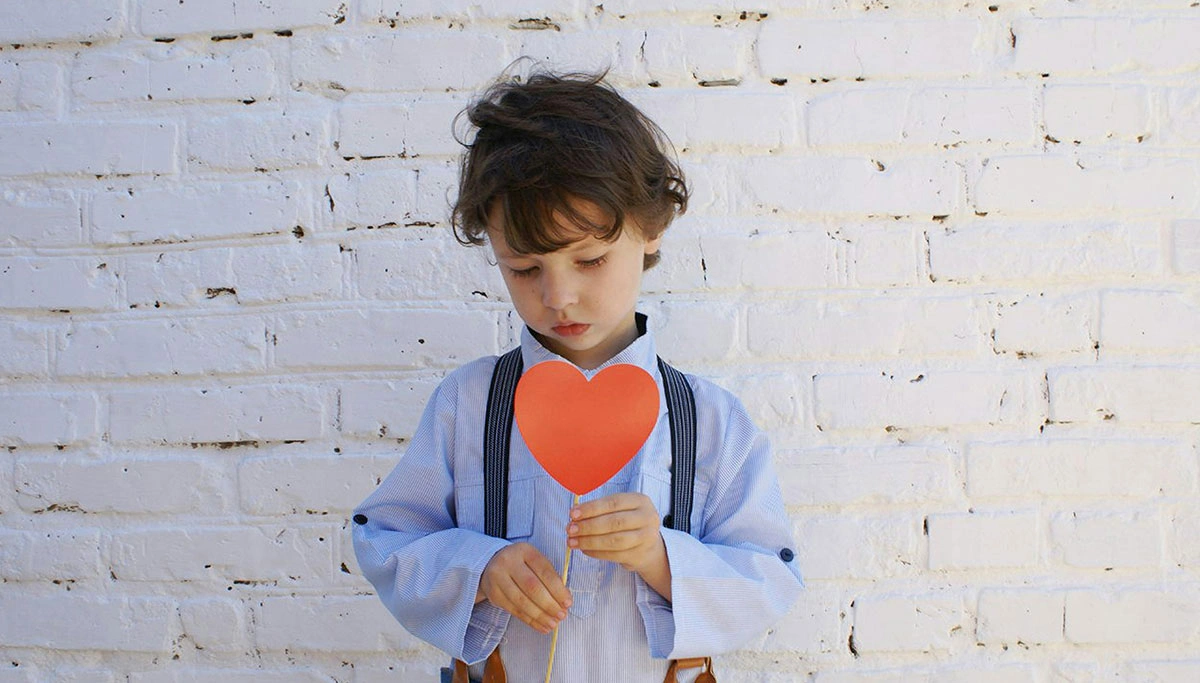
Using the buzz around the day of love to incorporate social-emotional learning into your activities is an effective way to foster caring in an age-appropriate way.
Here are some fun things you can do:
1. Kindness Communication
Learning the language of kindness is an important part of becoming a kinder person. Take the month of February to build their vocabulary to include kind words and phrases, such as:
- You’re welcome
- Can I help you?
- You’re doing a great job
- Pardon me
- Nice to meet you
- Sorry
- Excuse me
- That’s a great idea
- Nice work
- You can do it
Role-play situations to let them try out each new phrase. Star charts are great for tracking when they’ve been able to use each phrase in real-life situations.
2. Daily Kindness Cards
Create a pack of cards with simple actions that you know your preschooler will manage. Pick one at the start of each day and make that the goal for the day. Get the whole family involved to double the fun. Seeing kindness in action, experiencing a caring environment, and having the opportunity to practice are all part of the learning experience.
Your cards can include:
- Hold open the door for someone
- Draw a picture of something you’re grateful for
- Hug a family member
- Ask someone how their day was
- Bake with mom and share with someone
- Draw three things you love about yourself (Kindness to self is important!)
- Wipe up a spill without being asked
- Pour juice or water for a sibling
- Sharpen a friend’s pencil
- Let someone go inside before you
3. Rock The World With Kindness
For this activity, you’ll need smooth stones, paint, and other crafty bits for decoration. You can use anything you think will be fun for your group. Think beads, googly eyes, feathers, or sparkly gems. Write a short, encouraging phrase on the bottom of each stone, such as:
- You Rock!
- You Are Special
- You’re my ray of sunshine
Once they’ve decorated the rocks, take them on a walk around the neighborhood to leave their creation somewhere for someone to find.
4. Kindness Countdown
As a build-up to Valentine’s Day, create a kindness countdown, similar to an Advent calendar, to stick up on the fridge. Mark out 14 blocks on a sheet of card and fill each block with a daily activity that they can do. Print the countdown days on a second sheet of card, use a craft knife to cut flaps, and glue it to the daily activity card.
Here are some ideas you can use:
- Smile at the cashier in a grocery store
- Tell a friend something you love about them
- Share your toys with a friend
- Draw a picture for a neighbor (even if they’re grumpy!)
- Make happy-looking bookmarks and tuck them into library books for people to find
- Visit an animal shelter and play with the kittens, or walk the dogs
- Help with washing the dishes
- Pick out some gently used books and donate them
- Give someone a hug
- Invite a new friend to play with you
- Pick flowers from your garden for your teacher
- Tell a story to a younger sibling
- Offer to brush your mom’s hair
- Help your teacher carry books to the class
5. Seeing Kindness Through The Other Person’s Eyes
One of the best ways to show kindness to someone is to find out what they really like. If a friend has a pollen allergy, giving them flowers is a sweet thought, but not helpful for them. Playing a game of This or That with your preschoolers can help them recognize those differences.
Brainstorm questions, such as:
- Would you rather play outside with a ball, or read books in the reading corner?
- Would you rather eat chocolate or cookies?
- Do you like bright colors such as red, orange, and yellow, or do you prefer cool blue, green, and soft pinks?
6. Sticky Reminders
To help your child make kindness part of their natural response, use sticky reminders. Let your child pick out a box of colored stickers; simple hearts, circles, or stars are great. Give them the job of sticking the shapes around the house at eye level as quick, visual reminders to be kind. By letting them take initiative, they’ll own the task and be more invested in the process of becoming a kinder person.
Valentine’s Day and Beyond At Providence Children’s Academy
Along with mental stimulation, physical activity, and healthy habits, practicing kindness will help your preschooler thrive, not just on Valentine’s Day, but every day. Here at Providence Children’s Academy, we create an environment that allows your child to blossom in all areas of development. To find out more, call 954-570-6914. We’d love to welcome your child to our school!